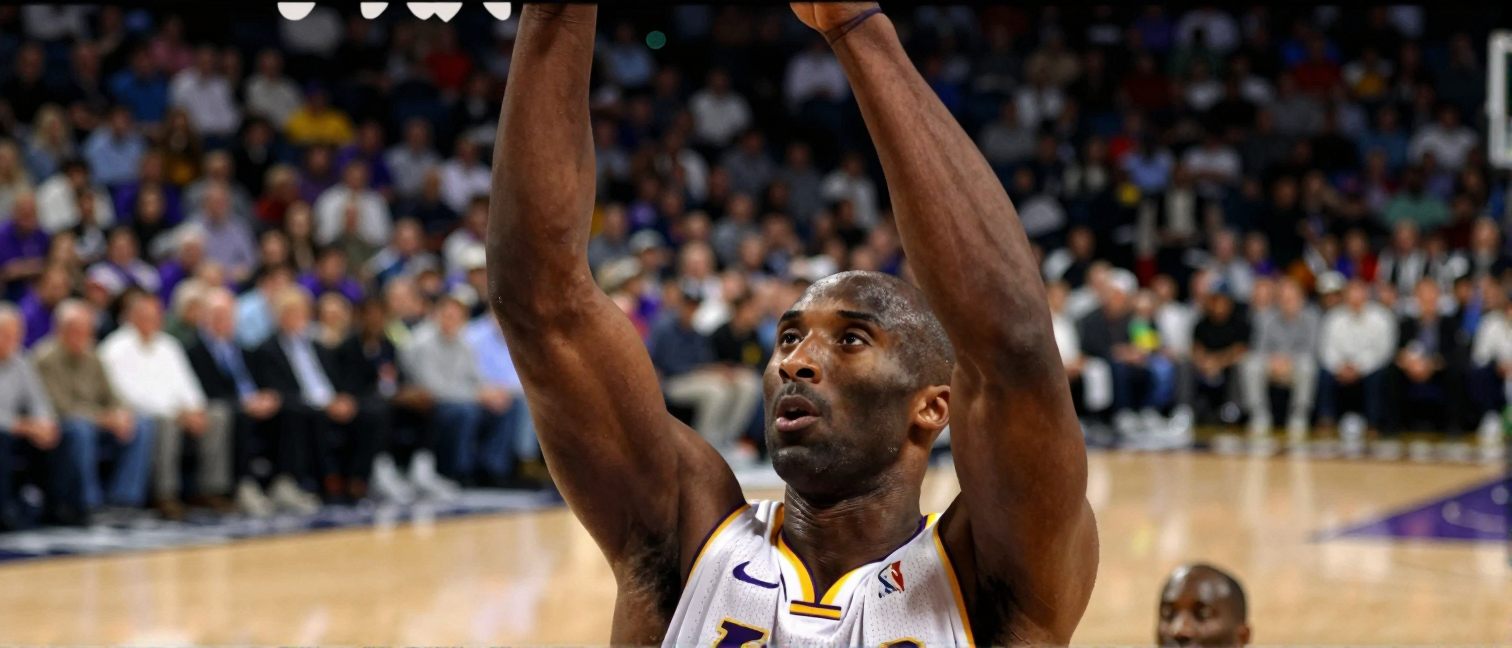
Kobe Bryant faced a startling new wave of criticism after former teammate Jalen Rose told reporters that none of Bryant’s ex‑Lakers teammates ever offered a kind word about him. Rose’s comments, delivered in a recent interview, reignited a long‑standing conversation about Bryant’s off‑court demeanor and how it shaped the locker room.
What did the former teammate say?
Rose, a 2002‑03 NBA veteran and ESPN analyst, said, “I’ve spoken to a lot of guys who played with Kobe. Not a single one had a kind word to say about him.” He added that the sentiment was consistent across the roster, from veterans like Shaquille O’Neal to role players such as Rick Fox. Rose emphasized that the criticism focused on Bryant’s intense work ethic and confrontational style rather than his on‑court talent.
Why does this matter for Kobe Bryant’s legacy?
Bryant’s reputation as a relentless competitor is well‑documented, but the new remarks highlight a darker side that fans and historians rarely explore. The former Lakers’ dominance in the early 2000s—five championships between 2000 and 2010—was built on Bryant’s demanding standards. Yet, teammates have long hinted that his approach could be alienating. Rose’s statement adds weight to those whispers, suggesting that the “Mamba Mentality” may have come at a personal cost.
How have other players responded?
When asked for comment, Kurt Rambis, former Lakers assistant coach, declined to speak directly about the allegations but noted, “Kobe pushed people to be better. Some loved it, some didn’t.” Meanwhile, Pau Gasol, Bryant’s 2008‑2014 teammate, has previously praised Bryant’s leadership but never addressed the recent claims. The mixed reactions illustrate a divide: some view Bryant’s intensity as inspirational, while others see it as abrasive.
What does this mean for future discussions?
The interview arrives as the NBA continues to reassess player culture and mental health. Bryant’s post‑retirement work in storytelling and youth mentorship has softened his public image, yet these fresh accusations could reshape how future generations interpret his influence. Analysts may now weigh his five rings against the locker‑room atmosphere he cultivated, prompting a more nuanced conversation about greatness and personality.
How will fans react?
Social media erupted instantly, with former Lakers fans posting memories of Bryant’s clutch performances alongside anecdotes of his demanding practices. Some defended the legend, arguing that greatness often requires tough love. Others echoed Rose’s sentiment, calling for a balanced view that acknowledges both his brilliance and his harshness.
What’s next for the narrative?
The story is likely to fuel podcasts, documentaries, and sports columns that delve deeper into Bryant’s relationships with his peers. As more former players are interviewed, a clearer picture may emerge of whether Bryant’s relentless drive was a unifying force or a source of division within the team.
Kobe Bryant remains a polarizing figure, and Rose’s remarks ensure that the debate over his legacy will stay alive for years to come.